
Neurofeedback Therapy
Who Can Benefit from Neurofeedback?
Neurofeedback can support individuals who feel stuck in patterns of anxiety, emotional dysregulation, difficulty concentrating, sleep disturbances, or stress-related symptoms. It is often used by people experiencing anxiety, depression, trauma-related symptoms, ADHD, mood instability, and chronic stress.
Neurofeedback is also beneficial for individuals who may not have a mental health diagnosis but want to improve focus, emotional balance, performance, or overall brain efficiency. If your nervous system feels overwhelmed, easily triggered, or slow to recover from stress, neurofeedback can help promote greater regulation and resilience.

How It Works:
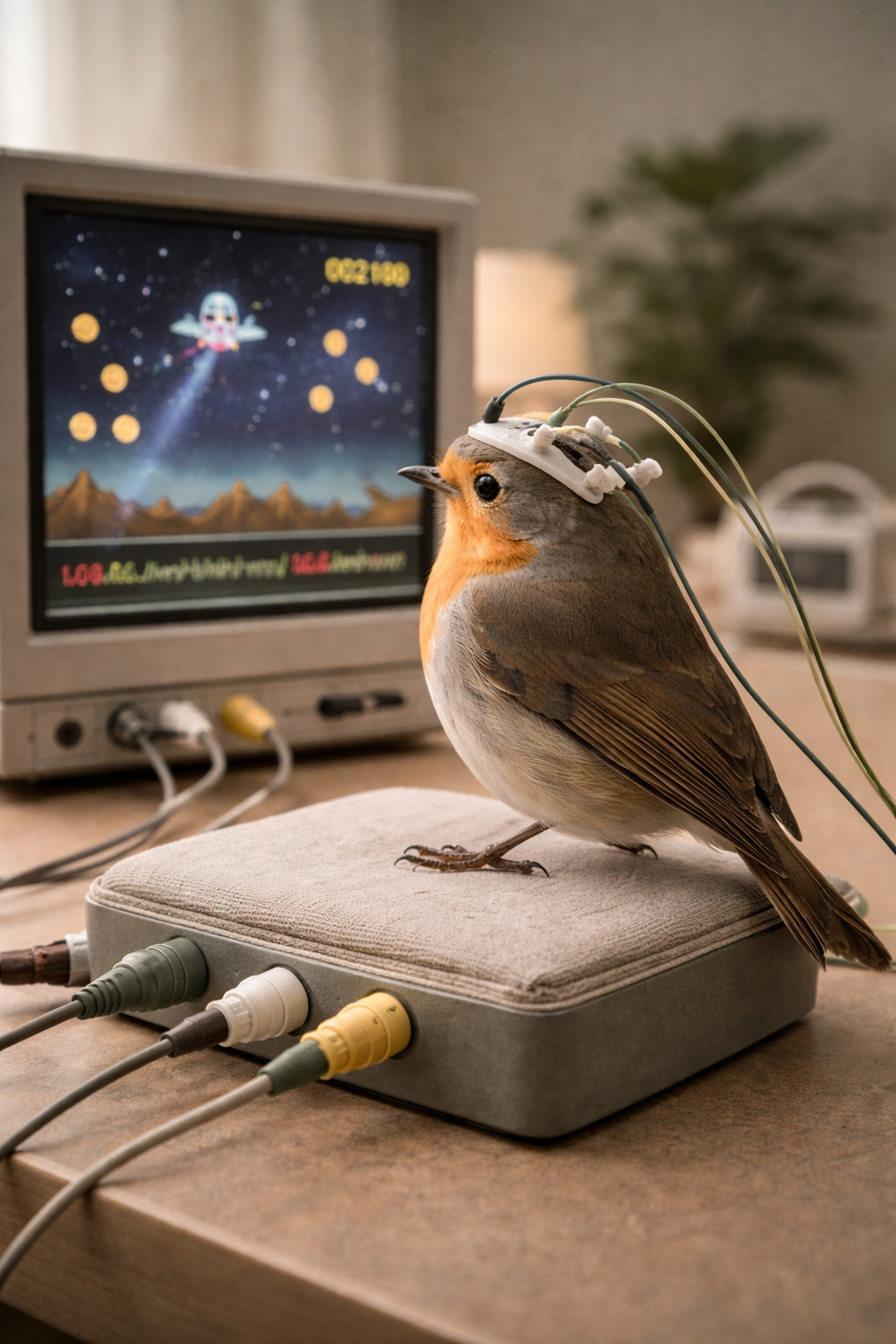
Neurofeedback is a form of biofeedback that helps your brain learn to function in a more regulated and efficient way. During a session, sensors are placed on the scalp to measure brain activity. This information is translated into real-time feedback—often through sounds or visual cues—allowing your brain to adjust its activity naturally.
As your brain receives feedback, it begins to recognize and reinforce healthier patterns of functioning. Over time, this can lead to improved emotional regulation, increased focus, reduced reactivity, and a greater sense of calm. The process is non-invasive, does not involve medication, and does not require talking through distressing memories.
Clinical Benefits of Neurofeedback
Neurofeedback is commonly used as part of a therapeutic approach to support:
Anxiety and chronic stress
Trauma and nervous system dysregulation
Depression and mood instability
ADHD and attention difficulties
Emotional reactivity and irritability
Sleep disturbances and insomnia
Difficulty with emotional regulation
Stress-related physical symptoms (such as tension or headaches)
By working directly with brain activity, neurofeedback helps improve the brain’s ability to self-regulate, which can reduce symptoms and increase emotional resilience over time.
Non-Clinical & Performance Benefits
Neurofeedback is also used by individuals seeking performance optimization and overall well-being, even without a mental health diagnosis. Non-clinical benefits may include:
Improved focus and concentration
Increased mental clarity and productivity
Better stress tolerance and recovery
Enhanced emotional balance
Improved sleep quality
Greater sense of calm and mental flexibility
Support for peak performance in work, academics, athletics, or creative pursuits
Many people use neurofeedback as a proactive tool to support brain health, nervous system balance, and sustained performance in high-demand environments.
What to Expect
After a Session
After a neurofeedback session, people often report feeling calm, relaxed, mentally clear, or more focused. Some notice subtle shifts, such as feeling less reactive or more emotionally steady. Others may feel energized or notice improved concentration shortly after a session.
It is also normal to feel tired, reflective, or “different” in a hard-to-describe way as your brain integrates the training. These experiences are typically temporary and part of your nervous system adjusting to new patterns.
After Several Sessions
With continued sessions, many individuals begin to notice more consistent changes, such as improved emotional regulation, better stress tolerance, increased focus, improved sleep, or a greater sense of balance throughout the day. Changes often feel gradual rather than sudden, building over time as the brain learns and reinforces healthier patterns.
For some, progress shows up emotionally (feeling calmer or less reactive), while for others it appears cognitively (improved focus or clarity) or physically (better sleep or reduced tension).
Everyone Responds Differently
Neurofeedback is not a one-size-fits-all experience. Each person’s brain is unique, and responses can vary based on factors such as nervous system sensitivity, stress levels, sleep, overall health, and consistency of sessions.
Some people notice changes quickly, while others experience more subtle shifts that develop over time. Your experience may change from session to session, and adjustments are made throughout the process to best support your individual needs and goals.
Neurofeedback is a collaborative process that works with your brain’s natural ability to learn and self-regulate, supporting change at a pace that is right for you.
Number of Sessions
Neurofeedback works best as a series of sessions rather than a one-time experience. While every treatment plan is individualized, many people complete between 10 and 40 sessions, depending on their goals, symptoms, and how their nervous system responds. Your plan will be adjusted over time based on progress and needs.
Does Neurofeedback Change or Control Your Brain?
Neurofeedback does not alter, stimulate, or control your brain. Instead, it provides your brain with information about its own activity in real time. This feedback allows your brain to recognize patterns and make adjustments on its own.
Think of neurofeedback as a mirror for the brain. The feedback simply reflects what your brain is doing, and your brain decides how to respond. There is no electrical stimulation, no medication, and nothing being “put into” the brain. The changes that occur come from your brain’s natural ability to learn and self-regulate.
Pricing:
Evaluation- $200
Neurofeedback Session- $100